Skip to content
Case studies from Dublin 3, Clontarf, North Dublin and Leinster

Our work: real solar PV installations you can compare

If you are researching solar panels in Dublin, it helps to see projects that look like your home or business. Below are recent SolarField installs with practical notes on roof layout, system sizing, and the choices that improved self-consumption. We are based on Alfie Byrne Road, Dublin 3, so many of these projects are close to Clontarf and the Northside.

Common domestic sizes
3 kWp to 6 kWp
Battery add-ons
5 to 10 kWh typical
Grant support
SEAI up to €1,800
before and after solar panel installation on Dublin home roof near Clontarf

What you will see on this page

  • System sizes (kWp), inverter type, and whether a battery was installed.
  • Design notes: roof faces, shading considerations, and cable routing.
  • Practical outcomes: what the customer wanted, and how the design matched it.

We share project details to help you make an informed choice. Exact generation varies by roof, shading, and household usage. For accurate numbers, request a survey.

SEAI-registered
Grant documentation supported
Local base
Alfie Byrne Rd, Dublin 3

How to read a case study

When comparing solar panel installation in Ireland, focus on the decisions that impact day-to-day value: system size, roof split (single face vs east-west), inverter choice, and whether a battery helps you use more of your own solar in the evening. In Dublin, many families see the biggest bill reductions when they align generation with household routines and then add battery storage where it genuinely improves self-consumption.

Every roof is different. A south-facing array can deliver strong midday generation, while an east-west layout can spread production across the day. Coastal areas in North Dublin may also have wind exposure, so secure mounting and tidy cable routes matter. If you are considering the SEAI Solar Electricity Grant, we also check eligibility and explain what paperwork you can expect from an SEAI-registered installer.

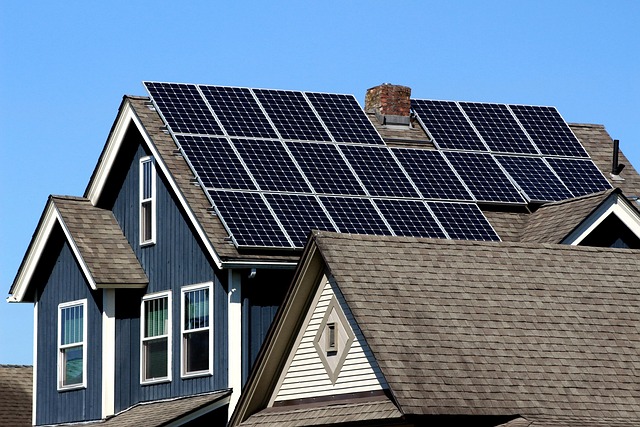
solar PV install Clontarf Dublin 3 semi-detached home roof panels

Clontarf, Dublin 3: family home PV + battery

Domestic solar panels North Dublin with evening usage focus

Completed
System size
5.4 kWp
Battery
7.2 kWh
Roof layout
South-west
Grant
SEAI supported

This Dublin 3 home had strong evening usage with cooking, laundry, and device charging. We sized PV to cover a large share of annual demand and added a right-sized battery to reduce evening imports without overspending. Cable routes were kept short and neat, and monitoring was configured so the family could see generation, battery charge, and export in one place.

  • Design choice: battery sized to typical evening load, not maximum capacity.
  • Outcome: higher self-consumption and simpler day-to-day usage.

solar panel installation Raheny Dublin roof east west split array

Raheny, North Dublin: east-west split array

Domestic solar PV with broader daily coverage

Completed
System size
4.8 kWp
Battery
Optional later
Roof layout
East + west
Goal
Daytime usage

The homeowner wanted strong morning and late afternoon generation to match work-from-home patterns. An east-west split helps spread production across the day, often improving self-consumption without a battery. We configured monitoring and advised on simple load shifting so appliances run during higher generation windows.

  • Design choice: split array to smooth generation rather than chase a midday peak.
  • Outcome: more solar used in the home during working hours.
solar PV installation Marino Dublin 3 terraced home roof panels tidy cabling

Marino, Dublin 3: compact roof, efficient layout

Domestic solar PV for smaller roof areas

Completed
System size
3.6 kWp
Battery
5.1 kWh
Roof layout
South
Priority
Maximise use

This was a classic Dublin 3 scenario: limited roof space but strong interest in reducing bills. We optimised panel placement to avoid shading from nearby features, kept the array compact, and included a modest battery to capture daytime surplus for evening use. The customer also wanted a clear handover, so we provided a simple monitoring walkthrough and a practical checklist.

  • Design choice: compact layout with careful spacing for roof geometry.
  • Outcome: reduced imported electricity during peak evening hours.
solar PV installation Kildare home with inverter and export meter setup

Kildare: PV with future-proofing for EV

Leinster installation with planned load growth

Completed
System size
6.0 kWp
Battery
10.0 kWh
Roof layout
South + west
Plan
EV charging

This customer expected electricity usage to rise with an EV purchase. We sized PV and storage with that in mind and discussed practical charging routines that align with solar generation. The result was a system designed for today’s bills and tomorrow’s demand, with monitoring to help the household adjust as usage changes over time.

  • Design choice: allow for higher self-consumption as EV charging becomes regular.
  • Outcome: a plan for using more solar in the home rather than exporting it.

What customers usually want in 2026

The most common request we hear from Dublin households is simple: cut electricity bills in a predictable way, with a system that works day-to-day and is easy to monitor. In 2026, more people also ask about adding solar battery storage and whether the SEAI Solar PV grant can help. The best results tend to come from a realistic design: panels sized to roof and consumption, then a battery sized to the evening load profile. We will talk through the numbers in plain language so you can decide without pressure.

SEAI grant clarity

We explain eligibility and what documentation you should expect for a smooth claim process.

Battery decisions

We show when storage lifts self-consumption and when it is better to start with PV only.

Tidy workmanship

Safe isolation, clean cabling, and a handover that makes monitoring and usage straightforward.

Before and after: what changes on the day

A good solar installation should look intentional, not improvised. On the roof, panels should sit aligned with consistent spacing, and the mounting should be suited to the roof type. Indoors, the inverter and battery should be installed with clear labelling and safe access. We aim for a handover that leaves you confident: you know what each component does, how to view monitoring, and how to isolate the system if needed.

For customers in Dublin 3 and Clontarf, we also account for local conditions such as wind exposure and salt air. That means correct fixings and attention to cable paths. If you are comparing solar installers in Dublin, ask to see completed work, not only a brochure. These examples show the practical details that matter once the scaffolding is gone.

before solar installation Dublin roof without panels
Before

Roof assessment checks structure, shading, and safe access points before any design is finalised.

after solar installation Dublin roof with aligned panels and neat cable entry
After

Aligned array, tidy cable entry, labelled isolation, and monitoring set up for easy tracking.

Want a quote that matches your home, not an average?

Send us your area and a few details and we will arrange a free survey. We will then deliver a quote within 48 hours, with system size options, SEAI grant guidance, and realistic savings based on your usage. If you are in Dublin 3, Clontarf or North Dublin, our local team can usually schedule quickly.

Case study FAQs

These answers help you compare like-for-like when browsing examples. If you want to discuss your roof in Dublin 3, Clontarf, or anywhere in Leinster, contact SolarField and we will guide you through options calmly and clearly.

Do you have examples of solar panels installed in Dublin 3 and Clontarf?
Yes. SolarField is based on Alfie Byrne Road, Dublin 3, so we regularly install in Clontarf and nearby North Dublin areas. We can share examples of roof layouts similar to yours during the survey.
Why do some homes choose an east-west array instead of south-facing only?
East-west arrays can spread solar generation across morning and late afternoon, which often improves self-consumption for households that use electricity during the day. The best option depends on your roof and usage.
Is solar battery storage included in most of your Dublin installs?
Many Dublin customers add a battery, but not all. If daytime self-consumption is already high, PV-only can be a sensible start. We recommend batteries when they materially reduce evening imports or support time-of-use charging.
Do these projects qualify for the SEAI Solar Electricity Grant?
Many domestic projects are eligible, but SEAI rules and property status apply. SolarField is an SEAI-registered installer and we explain eligibility and the steps clearly before you commit.
How do you estimate savings for a case study or a quote?
We look at roof orientation and shading, then use your electricity usage patterns to estimate generation, self-consumption, and export. Savings depend on how much solar you use in the home and your tariff structure.
Can you install in Wicklow, Meath, Kildare, and Louth as well as Dublin?
Yes. We prioritise Dublin and the Greater Dublin Area, and we regularly install across Leinster including Wicklow, Meath, Kildare, and Louth. Suitable nationwide projects are also considered.