Use solar in the evening
Families often see their peak usage after 5pm. Battery storage helps shift part of your daytime generation to the evening, reducing grid imports when prices can be higher on certain tariffs.
Quote within 48 hours after survey.
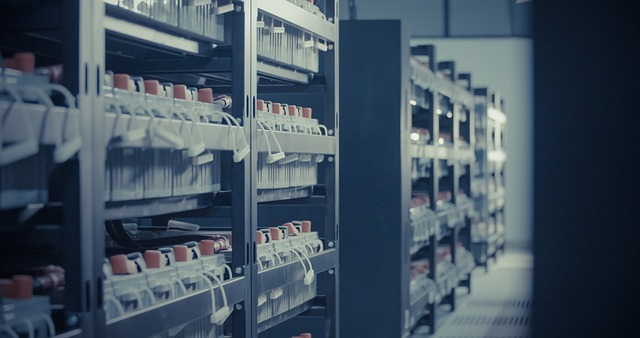
We focus on safe isolation, tidy cable routes, and an easy handover. You will know how to read your monitoring app and how to optimise loads to make the most of your battery in Irish conditions.
Without a battery, surplus solar generated during the middle of the day often leaves the home because many households are out working or at school. A battery captures that surplus and stores it for later use. In practice, it can reduce evening imports and make your solar PV feel more useful during the hours you actually need power.
Battery storage is not a magic switch that eliminates your electricity bill. The best results come from sensible sizing and realistic expectations. SolarField will explain the difference between generation (kWh), battery capacity (kWh), and power (kW), and how those figures relate to cooking, showers, EV charging, and everyday family use in Dublin 3 and across the Northside.
Many customers also value monitoring. Seeing solar generation and battery charge levels makes it easier to time appliances. If you are researching “solar battery storage Ireland” or “solar battery Dublin”, we can show you how to estimate how much of your daily demand can be covered by your system and what remains to be imported from the grid.
Families often see their peak usage after 5pm. Battery storage helps shift part of your daytime generation to the evening, reducing grid imports when prices can be higher on certain tariffs.
A well-sized battery can increase the share of solar you use at home. We will estimate your self-consumption based on your daily profile, not a generic calculator.
See generation, usage, export, and battery charging in one place. Monitoring helps you optimise habits and quickly spot if performance changes over time.
Many households add an EV or upgrade heating. We design battery and inverter choices that keep options open, and we explain any limitations clearly.
In 2026, many Dublin homeowners look at solar PV plus battery storage to reach bill savings in the €1,200 to €1,800 per year range, depending on usage and the amount of solar you can use directly. Battery storage typically helps most where a home exports a noticeable amount of solar during the day and then imports heavily in the evening. During your survey, we will estimate how much surplus you are likely to have and how much of it a battery can actually shift to later hours.
The best decision is based on your own meter history. If you have a smart meter, we can discuss day vs night consumption and how time-of-use rates may influence your battery plan. If you do not, we can still estimate using your bills and household routine.
Battery sizing is the difference between a system that feels helpful and one that feels expensive. Capacity (kWh) tells you how much energy a battery can store. Power (kW) tells you how fast it can supply energy to the home. A battery with high capacity but low power may struggle to cover short, high-demand loads. A battery with high power but low capacity may empty quickly.
In Dublin and the Greater Dublin Area, a common pattern is low daytime demand with high evening demand. That points to a battery sized to absorb midday surplus and cover evening loads such as cooking, lighting, home office equipment, and entertainment. If you want to run heavier loads, such as an EV charger, we will explain what a battery can and cannot do, and whether a tariff strategy makes more sense.
SolarField will also review practical details: wall space, ventilation, cable routes, and a safe location away from moisture. We keep installations neat, accessible for maintenance, and easy to understand during handover.
These are common starting points we discuss with Dublin households. The right choice depends on your daily surplus, evening demand, and whether you plan to expand solar PV later.
| Household pattern | Typical battery capacity | What it helps with |
|---|---|---|
| Small to medium home, modest surplus | 5 to 7 kWh | Evening lights, cooking support, devices |
| Family home, regular daytime surplus | 8 to 12 kWh | Longer evening coverage and weekend use |
| High usage, future expansion planned | 12 to 16+ kWh | More shifting of solar, tariff strategies |
If you already have solar panels installed, we assess your inverter model, whether you have export limitation settings, and how monitoring will work. Where a direct battery integration is not suitable, we will explain alternatives in plain language before you spend money.

SolarField is based on Alfie Byrne Road, Dublin 3, which helps with scheduling and support for North Dublin homes. We start with a free site survey where we review your roof (if you want PV too), your daily usage, and your electrical setup. For retrofit batteries, we look closely at your existing system and confirm how the battery will be controlled and monitored.
You will receive an itemised quote within 48 hours that makes it clear what is included: battery, inverter integration approach, protection devices, labour, commissioning, and monitoring setup. On installation day we aim for tidy work and minimal disruption. We then run commissioning checks, show you how to read the monitoring app, and explain practical steps to optimise your usage in Irish conditions.
If you are also applying for the SEAI Solar Electricity Grant for solar PV, we provide the required documents as an SEAI-registered installer. The grant generally applies to solar PV rather than batteries on their own, so we will outline how the grant fits your plan and keep the process straightforward.
If you are planning solar PV, adding a battery at the same time can be a neat approach for wiring and monitoring. If you already have panels, a retrofit battery may still make sense. Book a free survey and we will give you a clear recommendation based on your usage, roof, and budget.
Quick answers to common questions from Dublin homeowners researching solar battery storage in Ireland. If you want advice that matches your meter and routine, contact our team in Dublin 3.
Based in Dublin 3 near Clontarf. Easy access for surveys, installation, and aftercare.
Sizing based on your usage pattern, not a one-size approach. Transparent quotes and realistic savings.
Safe isolation, tidy cabling, and a handover that shows you how to monitor and optimise.