Roof and access
Dormers, valleys, skylights, or limited access can increase labour time and scaffolding requirements. A simple, clear roof face usually keeps the install efficient and costs stable.
This quick estimate is designed for planning. For accurate figures we run a site survey to check shading, roof space, and your meter data.
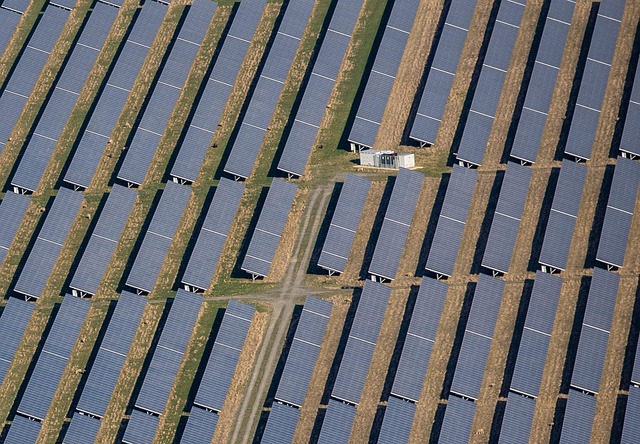
Want a quote that matches your roof? SolarField provides a free site survey across Dublin and the Greater Dublin Area, with a quote typically within 48 hours.
Two quotes can look similar on the surface yet perform very differently over time. In Ireland, the total cost of a solar PV system is shaped by more than panel wattage. The biggest price drivers are roof complexity, access, the type of inverter, whether battery storage is included, and how much electrical work is required in your home. The goal is not to buy the biggest system possible. The goal is to design a system you can actually use, so you save more of each kilowatt-hour you generate.
SolarField has been installing solar PV for over 8 years, with a base in Dublin 3 on Alfie Byrne Road. When we price an installation, we check shading and roof orientation, confirm mounting suitability for slate, tile, or metal roofs, and review your consumer unit and meter setup. That is how we keep pricing accurate and avoid surprises on installation day.
Many Irish households choose a 3 to 6 kW system. In 2026, a typical price after the SEAI grant is often €6,000 to €12,000, depending on roof and equipment. Battery storage increases upfront cost, but can increase bill savings by using more of your own solar.
Dormers, valleys, skylights, or limited access can increase labour time and scaffolding requirements. A simple, clear roof face usually keeps the install efficient and costs stable.
Your consumer unit, isolators, cabling routes, and meter position affect the amount of electrical work. Safe isolation and neat routing are essential and should be included clearly in the quote.
String inverters, hybrid inverters (battery-ready), and optimiser-based setups have different costs and advantages. The best choice depends on shading, layout, and whether you plan to add battery storage.
Battery size (kWh), brand, and installation location affect cost. A battery often increases self-consumption, which can improve overall savings for families with evening usage.
The ranges below are designed to reflect real-world installations rather than headline-only pricing. They assume a standard domestic installation with appropriate electrical works and monitoring. Your roof, access, and equipment choice can move the figure up or down. For Dublin homes, we confirm everything during the site survey so the final quote stays consistent.
| Typical system | Best suited for | Indicative price after SEAI grant | Typical yearly bill impact |
|---|---|---|---|
| 3 kW solar PV (no battery) | Smaller homes, lower usage, good daytime use | €6,000 to €8,000 | Often €900 to €1,300 |
| 4 to 5 kW solar PV (no battery) | Family homes, balanced usage | €7,500 to €10,000 | Often €1,100 to €1,600 |
| 4 to 5 kW solar PV + 5 kWh battery | Evening usage, limited daytime use | €10,000 to €13,000 | Often €1,300 to €1,800 |
| 6 kW solar PV + 8 to 10 kWh battery | Higher usage, EV-ready, strong self-consumption focus | €12,000 to €16,000 | Often €1,500 to €2,000 |
“4 kW solar PV” is a headline, not a full specification. Two 4 kW installs can have different panel counts, different inverters, different mounting choices, and very different wiring routes. In coastal areas around Dublin and Clontarf, roof exposure and access can also affect setup. We price for the actual work required rather than quoting a generic bundle and then adding extras later.
Battery storage is another area where detail matters. A battery should be sized for your typical daily surplus and evening consumption. Oversizing can increase cost without improving payback. Undersizing can leave savings on the table. Our battery storage page breaks this down, but the summary is simple: match storage to behaviour, not to marketing.
For a roof-specific price and a realistic savings estimate, we need two things: a site survey and your approximate annual kWh usage. SolarField provides a free survey in Dublin and a quote within 48 hours.
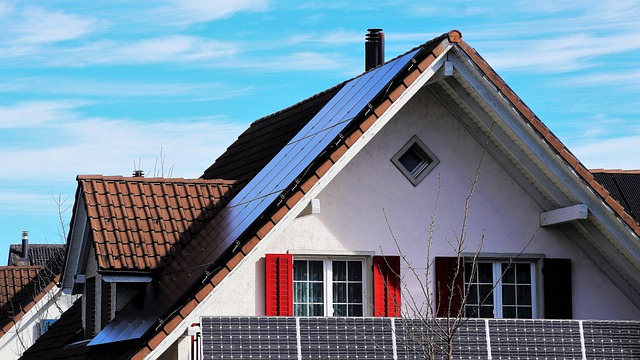
We include safe access planning, tidy installation, and monitoring setup so you can see generation and usage clearly from day one.
Payback depends on the relationship between three numbers: how much the system generates, how much of that energy you use in the home, and how much electricity costs over time. In Ireland, households often save most when they shift flexible loads into daylight hours. That includes washing, drying, dishwashers, and heating water. Solar battery storage can then cover a portion of evening usage.
Many families we meet in Dublin are aiming for annual bill reductions of €1,200 to €1,800 once the system is installed and habits are optimised. For some homes, savings can be lower if the household is out all day and has limited evening usage. For others, savings can be stronger where daytime loads are high (WFH) or where a battery and smart usage strategy increases self-consumption.
These examples show how usage patterns change outcomes. They are designed to be realistic and calm, not salesy. For your home in Dublin, the site survey and your meter data will provide a tailored estimate.
A 4 to 5 kW system can cover a meaningful portion of annual usage. Savings often improve when hot water and appliances are timed for daylight. Many homes in this profile consider a battery later once they see their export levels.
When daytime usage is low, a battery can capture surplus solar and release it in the evening. The key is right-sizing storage so it cycles regularly rather than sitting underused.
Higher daytime usage can increase the portion of solar consumed in the home, which usually improves payback. This is common for homes with WFH, home offices, or flexible appliance scheduling.
Avoid decisions based on “maximum savings” promises. A credible quote explains assumptions: roof orientation, shading, system size, and expected self-consumption. SolarField includes those details so you can compare properly.
SolarField is local to Dublin 3. We install across the Greater Dublin Area, Wicklow, Meath, Kildare, and Louth, with a strong Leinster focus. Book a free survey and receive a clear quote within 48 hours, including SEAI grant guidance and battery options if you want them.
Straight answers about solar panels cost in Ireland, battery storage pricing, and the SEAI Solar Electricity Grant. For a quote that matches your roof in Dublin or Leinster, contact SolarField.